
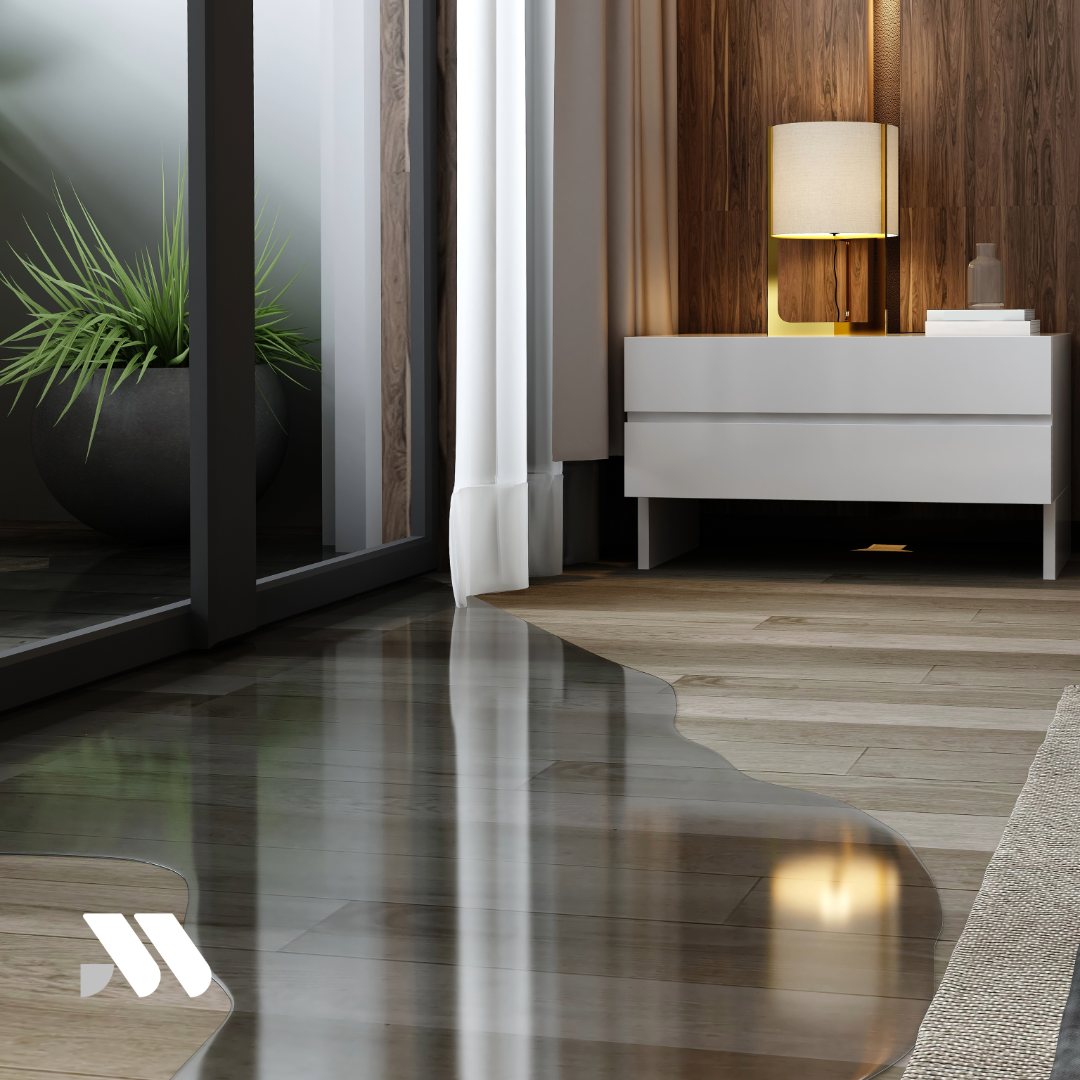
Water damage is one of the most common causes of homeowners insurance claims. A small leak can quickly become a major repair project, affecting flooring, drywall, cabinetry, furniture, and personal belongings.
Because water losses are so common, many homeowners assume their insurance policy covers every type of water damage. However, coverage often depends on how the damage occurred and the specific terms of the policy.
Understanding the difference between covered and non-covered water losses can help homeowners make informed decisions about protecting their property.
Why Water Damage Can Be So Expensive
Water has the ability to spread quickly throughout a home.
What may begin as a small issue can lead to:
- Damaged flooring
- Ruined drywall
- Ceiling damage
- Damaged cabinets
- Electrical concerns
- Mold-related issues
- Personal property losses
The longer water remains untreated, the greater the potential damage.
Common Causes of Water Damage
Water damage can result from many different sources, including:
- Burst pipes
- Plumbing leaks
- Appliance failures
- Water heater malfunctions
- Overflowing sinks
- Accidental discharge from plumbing systems
- Roof leaks
- Storm-related damage
The cause of the loss often plays an important role in determining how insurance may respond.
What Types of Water Damage May Be Covered?
Many homeowners insurance policies may provide coverage when water damage results from a sudden and accidental event.
Examples may include:
Burst Pipes
A pipe that suddenly bursts and causes water damage may qualify as a covered loss under many homeowners policies.
Appliance Failures
Unexpected failures involving washing machines, dishwashers, refrigerators, or water heaters may create water damage that could be covered depending on the circumstances.
Accidental Plumbing Discharge
Certain sudden plumbing incidents may also qualify as covered losses.
Coverage depends on policy language, exclusions, and claim details.
What About Roof Leaks?
Roof-related water damage can be more complex.
If a covered event such as a windstorm damages the roof and allows water to enter the home, homeowners insurance may provide coverage for resulting damage.
However, damage caused by long-term wear and tear or deferred maintenance may be treated differently.
Regular roof maintenance remains an important part of protecting a home.
Does Homeowners Insurance Cover Flooding?
One of the biggest misconceptions in insurance involves flooding.
Many homeowners policies generally do not provide coverage for flood damage.
Flooding can result from:
- Overflowing rivers
- Heavy rainfall
- Storm surge
- Surface water intrusion
Homeowners concerned about flood exposure should discuss flood insurance options with a licensed insurance professional.
Preventing Water Damage
While some losses are unavoidable, homeowners can take steps to reduce risk.
Helpful measures may include:
- Inspecting plumbing systems
- Monitoring appliance hoses
- Maintaining roofing systems
- Checking water heaters regularly
- Addressing leaks promptly
- Installing water leak detection devices
Routine maintenance can help identify potential issues before significant damage occurs.
What Should You Do If Water Damage Occurs?
If water damage affects your home:
- Stop the source of water if possible.
- Take photographs of the damage.
- Protect property from further damage.
- Save receipts for emergency mitigation efforts.
- Contact your insurance company promptly.
Quick action may help reduce additional damage and support the claims process.
Review Your Coverage Before a Loss Occurs
Many homeowners don’t discover coverage limitations until after a claim happens.
Understanding how your homeowners insurance may respond to water-related losses before an emergency occurs can help you make more informed decisions about protecting your property.
McElroy Insurance Services helps homeowners review coverage options and better understand common insurance risks.
📞 (866) 747-9185
🌐 https://insurance.mcelroy-inc.com/quote/
Whether you’re purchasing a new policy or reviewing existing coverage, we’re here to help you better understand your homeowners insurance options.