Most homeowners purchase insurance to help protect their home and personal belongings. However, many people don’t realize that homeowners insurance may also include coverage designed to help when a covered loss makes the home temporarily uninhabitable.
This protection is commonly known as Additional Living Expenses (ALE) Coverage, sometimes referred to as Loss of Use Coverage.
While homeowners hope they never need it, ALE coverage can become extremely valuable following a major loss that forces a family to live somewhere else while repairs are completed.
What Is Additional Living Expenses Coverage?
Additional Living Expenses coverage is intended to help pay for certain increased costs you may incur if a covered loss makes your home unsafe or unfit to live in.
The purpose of ALE coverage is not necessarily to improve your standard of living but to help maintain a similar lifestyle while your home is being repaired or rebuilt following a covered claim.
Depending on the circumstances and policy provisions, ALE coverage may help with expenses that exceed your normal day-to-day living costs.
When Might ALE Coverage Apply?
ALE coverage is generally triggered when a covered loss causes significant damage to a home.
Examples may include:
- Fire damage
- Smoke damage
- Severe wind damage
- Certain storm-related losses
- Covered water damage
- Falling tree damage
- Other covered property losses
If the damage is severe enough that you cannot safely occupy the home during repairs, ALE coverage may become available.
Every policy and claim situation is different, so homeowners should review their policy terms and consult their insurance carrier regarding specific coverage details.
What Types of Expenses May Be Covered?
Many homeowners are surprised to learn that temporary displacement can create a variety of unexpected costs.
Examples may include:
Temporary Housing
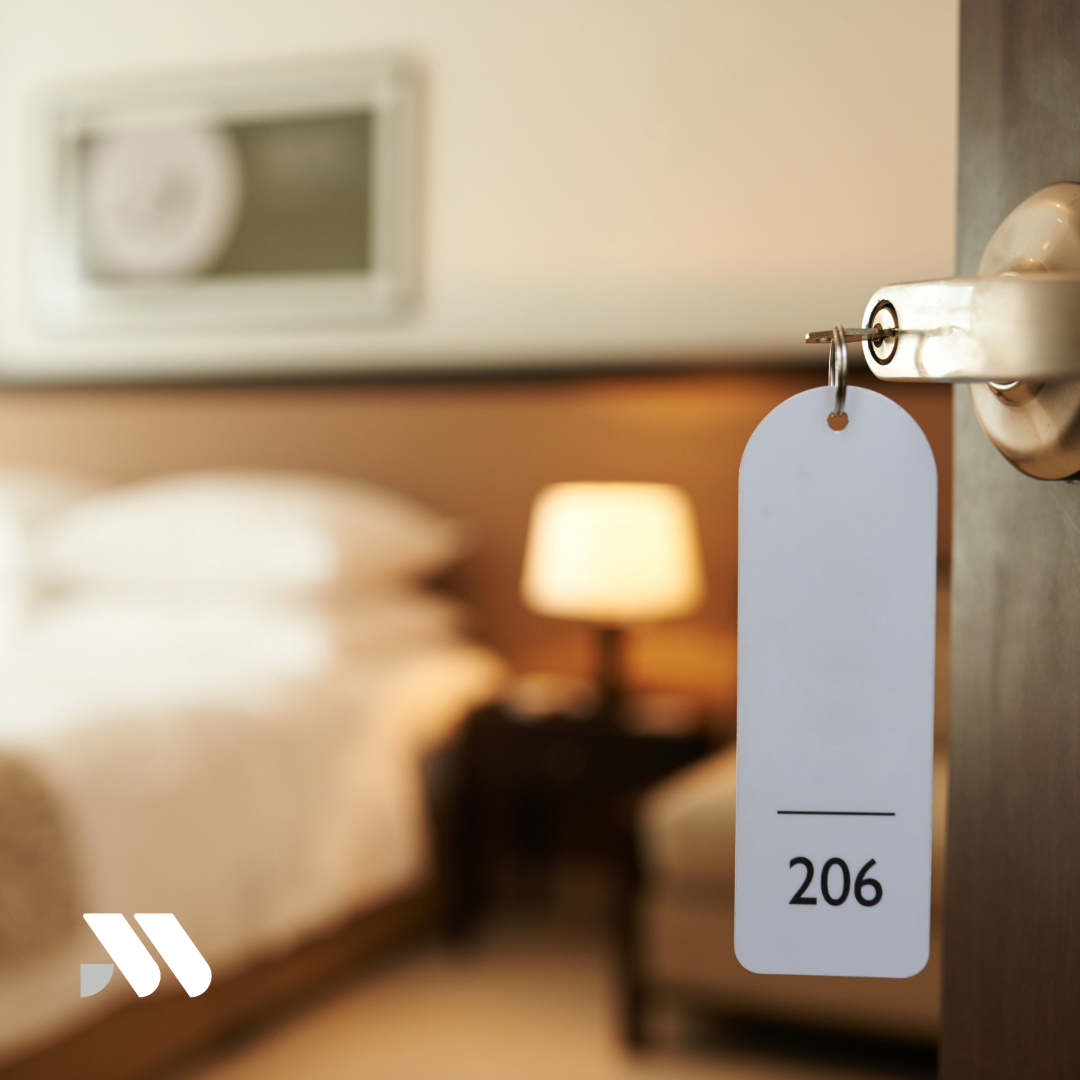
If your home cannot be occupied, ALE coverage may help with the cost of temporary accommodations.
Examples include:
- Hotels
- Extended-stay lodging
- Short-term rentals
- Temporary apartments
The appropriate housing arrangement often depends on the extent of the damage and the expected repair timeline.
Increased Food Costs
Families displaced from their homes may lose access to their normal kitchen and cooking facilities.
As a result, meals purchased at restaurants or other food expenses may increase.
In certain situations, ALE coverage may help with qualifying increased meal costs that exceed normal household spending.
Laundry Expenses
If temporary housing lacks laundry facilities, additional laundry expenses may arise.
These costs may be considered as part of qualifying additional living expenses depending on the circumstances and policy terms.
Transportation Costs
Temporary housing arrangements may create additional commuting expenses.
For example, a family may need to travel farther to work, school, or other routine destinations while displaced.
Coverage varies by policy and claim.
Pet-Related Expenses
Many homeowners overlook the impact a major loss can have on family pets.
Depending on the situation and policy provisions, additional expenses associated with temporary housing accommodations for pets may be considered during the claims process.
How Long Does ALE Coverage Last?
One common misconception is that ALE coverage automatically continues for a specific period of time.
In reality, coverage duration often depends on factors such as:
- The extent of the damage
- Repair timelines
- Rebuilding requirements
- Policy provisions
- Claim circumstances
Coverage generally continues until the home is repaired, rebuilt, or otherwise made habitable, subject to policy limitations and applicable coverage terms.
Does ALE Cover Every Situation?
No.
ALE coverage is generally associated with losses that are covered by the homeowners insurance policy.
For example, if the underlying cause of the damage is not covered, ALE coverage may not apply.
Because policies vary, homeowners should carefully review their coverage and understand what events are covered under their specific policy.
What Should Homeowners Do After a Covered Loss?
If a major loss forces you from your home, keeping detailed records can help during the claims process.
Helpful documentation may include:
- Hotel receipts
- Rental agreements
- Restaurant receipts
- Laundry expenses
- Transportation costs
- Pet boarding receipts
- Other additional expenses related to displacement
Maintaining organized records can help support reimbursement requests when applicable.
Why ALE Coverage Matters
The financial impact of being displaced from your home can extend far beyond repair costs.
Consider the challenges that may arise if you suddenly need to:
- Find temporary housing
- Feed your family without a kitchen
- Store belongings
- Transport children to school
- Care for pets
- Maintain normal daily routines
Without adequate coverage, these costs can quickly add up.
ALE coverage is designed to help reduce some of the financial strain associated with a covered loss while homeowners focus on recovery and rebuilding.
Review Your Homeowners Insurance Coverage
Many homeowners don’t think about Additional Living Expenses coverage until after a major claim occurs.
Understanding how ALE coverage works before a loss happens can help you make informed decisions and better prepare for unexpected events.
McElroy Insurance Services helps homeowners review coverage options and better understand the protections available under their homeowners insurance policies.
📞 Call: (866) 747-9185
✉️ Email: insurance@mcelroy-inc.com
🌐 Request a Quote: https://insurance.mcelroy-inc.com/quote/
Whether you’re reviewing an existing policy or shopping for new coverage, we’re here to help you better understand your homeowners insurance options.