
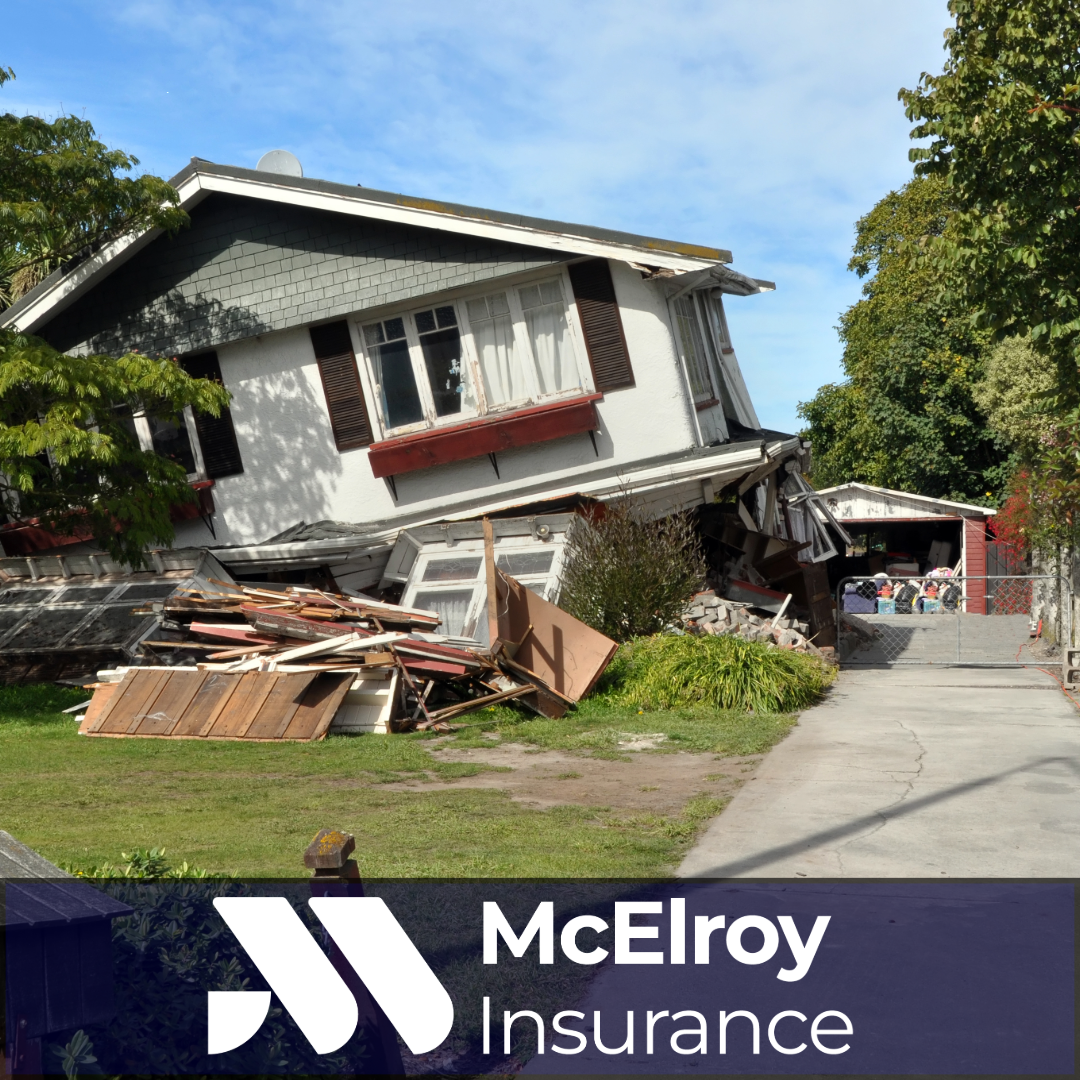
When most people think about earthquakes, they think about the shaking. They think about emergency kits, securing furniture, storing water, and creating family evacuation plans. Those are all important parts of earthquake preparedness, especially for California homeowners.
However, one question is often overlooked:
If a major earthquake damaged your home tonight, would you be financially prepared to recover?
For many homeowners, the answer isn’t clear. While emergency planning focuses on immediate safety, financial recovery can take months—or even years—after a significant earthquake. Understanding how earthquake-related losses are handled can help homeowners make more informed decisions before the next seismic event occurs.
Earthquakes Can Cause More Than Structural Damage
Earthquakes have the potential to impact nearly every part of a home.
Depending on the severity of the event, damage may include:
- Cracked foundations
- Damaged roofs
- Broken windows
- Collapsed chimneys
- Interior wall damage
- Plumbing failures
- Electrical system damage
- Structural shifting
- Detached garage damage
In some situations, homes may be deemed unsafe to occupy until repairs are completed.
While many people focus on the visible damage, the financial consequences often extend well beyond the initial repairs.
Where Would You Stay If Your Home Was Uninhabitable?
Imagine an earthquake strikes overnight and local officials determine your home is temporarily unsafe.
What happens next?
Many families would need to find temporary housing while repairs are completed. Depending on the extent of the damage, that process could take weeks or even months.
Potential expenses may include:
- Hotel stays
- Short-term rentals
- Additional transportation costs
- Increased meal expenses
- Temporary storage fees
These costs can add up quickly, particularly in high-cost housing markets throughout California.
This is one reason many homeowners choose to learn more about earthquake insurance and how different coverage options may respond after a covered loss.
Rebuilding Costs Can Be Significant
Construction costs have increased substantially in recent years.
Labor shortages, material costs, permit requirements, and contractor availability can all influence the cost of rebuilding or repairing a damaged property.
Following a major regional earthquake, demand for contractors and construction materials may increase significantly. As a result, repair costs can be much higher than many homeowners expect.
For homeowners who have built significant equity in their property, protecting that investment often becomes an important consideration when evaluating potential earthquake exposure.
Personal Property Losses Are Often Overlooked
When people think about earthquake damage, they usually focus on the structure itself.
However, personal belongings can also be affected.
Items that may be damaged during an earthquake include:
- Furniture
- Televisions
- Computers
- Appliances
- Electronics
- Artwork
- Collectibles
- Clothing
- Household goods
Replacing years of accumulated belongings can represent a substantial financial burden.
Conducting a home inventory and documenting valuable items before a loss occurs can help homeowners better understand the value of their personal property.
Understanding Earthquake Deductibles
One of the most important aspects of earthquake insurance is the deductible.
Unlike many homeowners policies that use fixed-dollar deductibles, earthquake policies often use percentage-based deductibles.
This means homeowners may be responsible for a larger portion of the loss before coverage applies.
Understanding how deductibles work is an important part of evaluating whether earthquake coverage aligns with your financial goals and risk tolerance.
Many homeowners are surprised to learn how earthquake deductibles differ from those commonly found on standard homeowners insurance policies.
California’s Seismic Risk Remains a Reality
California is home to hundreds of fault lines and some of the most active seismic regions in the United States.
While no one can predict when the next major earthquake will occur, experts agree that seismic activity remains an ongoing reality throughout the state.
From the Bay Area to Southern California and throughout many inland regions, earthquakes continue to be a risk homeowners should consider as part of their overall financial planning strategy.
The goal is not to create fear. The goal is to encourage preparation.
Just as homeowners evaluate fire risks, liability exposures, and weather-related events, earthquake exposure may also deserve a place in the conversation.
Preparing Before the Ground Starts Shaking
The best time to evaluate your options is before an earthquake occurs.
Once damage has happened, coverage decisions cannot be made retroactively.
Taking time to review your insurance program today can help answer important questions such as:
- What does my current homeowners policy cover?
- Is earthquake damage covered?
- What deductible options are available?
- How would temporary housing expenses be handled?
- What risks am I financially prepared to absorb?
The answers will be different for every homeowner, but understanding those answers ahead of time can help reduce uncertainty following a major event.
Request an Earthquake Insurance Quote
A major earthquake may last only seconds, but the recovery process can take much longer.
McElroy Insurance Services helps homeowners review earthquake insurance options and better understand potential protection gaps before a loss occurs.
If you’re interested in learning more about earthquake coverage, request a quote today.
📞 Call: (866) 747-9185
🌐 Quote Request: https://insurance.mcelroy-inc.com/quote/
Taking a few minutes to review your options today may help you make more informed decisions about protecting your home, your finances, and your future.