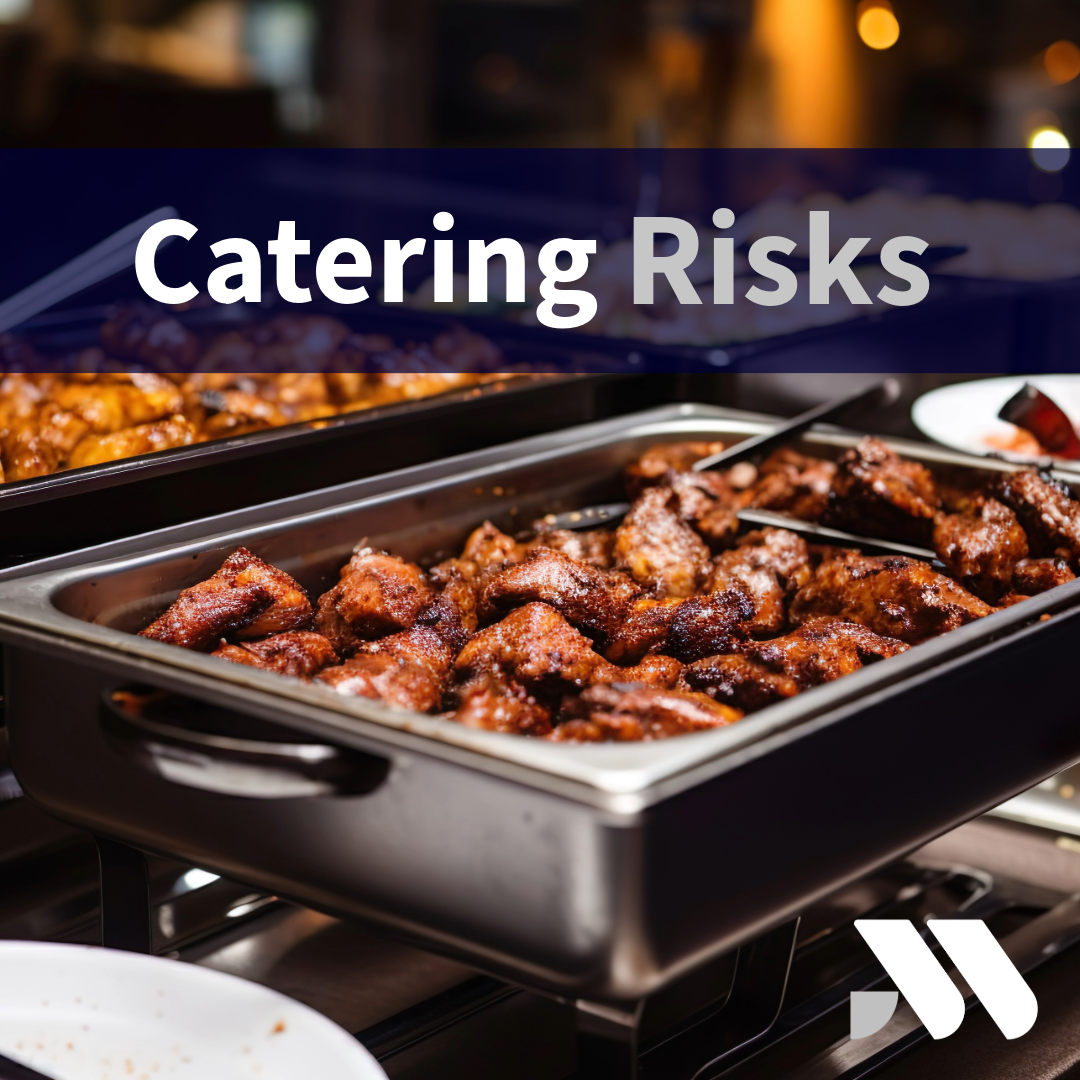
Catering companies do much more than prepare and serve food. From weddings and corporate functions to private parties and community events, caterers often manage logistics, transportation, equipment, staff, venues, and client expectations—all while working on tight schedules.
With so many moving parts involved, catering businesses face a unique set of risks that differ from those of a traditional restaurant.
Understanding the insurance considerations associated with catering operations can help business owners better protect the company they’ve worked hard to build.
Every Event Creates New Exposures
Unlike a restaurant that serves customers in a fixed location, caterers frequently operate in changing environments.
One week may involve a corporate office luncheon. The next could be a wedding venue, private residence, banquet hall, or outdoor event.
Each location presents its own challenges and potential liabilities.
Examples include:
- Temporary food preparation areas
- Third-party venues
- Rental equipment
- Event staff
- Transportation of food and supplies
- Client property exposure
Because no two events are exactly alike, risk management becomes an important part of daily operations.
General Liability Insurance
General liability insurance is often considered a foundational coverage for catering businesses.
It may help address certain claims involving:
- Third-party bodily injury
- Property damage
- Event-related incidents
- Vendor-related exposures
Many event venues, municipalities, and corporate clients require proof of liability insurance before allowing a caterer to operate on-site.
Certificates of Insurance (COIs) are commonly requested throughout the catering industry.
Commercial Property and Equipment
Many catering businesses invest heavily in equipment.
Examples include:
- Portable cooking equipment
- Refrigeration units
- Serving stations
- Tables and displays
- Food warmers
- Cooking utensils
- Specialty equipment
Damage, theft, or loss of equipment can create significant operational challenges.
Business property coverage may help protect these valuable assets.
Commercial Auto Insurance
Transportation is a critical part of most catering operations.
Food, equipment, staff, and supplies often travel between multiple locations throughout the week.
Businesses that use vehicles for catering operations should evaluate how those activities are addressed within their insurance program.
Examples include:
- Catering vans
- Box trucks
- Delivery vehicles
- Employee-driven vehicles
Commercial auto exposures are often an important consideration for catering companies.
Hired and Non-Owned Auto Coverage
Many caterers occasionally rely on:
- Employee vehicles
- Rental vehicles
- Temporary transportation arrangements
Hired and Non-Owned Auto coverage is often overlooked but can be an important part of a broader risk management strategy.
Workers’ Compensation Insurance
Catering operations frequently involve:
- Kitchen staff
- Servers
- Event coordinators
- Drivers
- Setup crews
- Cleanup personnel
As staffing grows, workers’ compensation requirements and workplace injury exposures become increasingly important.
Business owners should ensure their coverage aligns with their workforce and operational needs.
Liquor Liability Considerations
Many catering businesses offer alcohol service as part of their event packages.
When alcohol is served, additional liability considerations may arise.
Depending on operations, business owners may want to evaluate liquor liability coverage as part of their overall insurance program.
Coverage requirements can vary based on state laws, licensing, and business activities.
Food-Related Liability Risks
Food service businesses face unique exposures that other industries rarely encounter.
Examples include:
- Alleged foodborne illness
- Contamination claims
- Food handling issues
- Product-related allegations
While no caterer wants to imagine these situations occurring, understanding how insurance may respond is an important part of responsible business planning.
Cyber Liability Insurance
Today’s catering companies often manage:
- Online payments
- Customer databases
- Event contracts
- Credit card information
- Digital communications
As businesses become more dependent on technology, cyber-related risks continue to grow.
Cyber liability insurance may help address certain expenses associated with data breaches and cyber incidents.
One Broker. One Strategy.
Many catering businesses purchase insurance policies from different providers over time.
Examples may include:
- General Liability
- Commercial Auto
- Workers’ Compensation
- Liquor Liability
- Cyber Liability
- Property Coverage
When policies are purchased independently, coverage gaps and administrative challenges can arise.
A coordinated approach allows business owners to evaluate how their coverages work together and identify opportunities for improved protection.
Insurance Should Support Growth
As a catering company grows, insurance needs often change.
You may be:
- Serving larger events
- Expanding geographically
- Purchasing additional equipment
- Hiring more employees
- Adding alcohol service
- Entering new venues
An insurance program should evolve alongside the business.
Partner With McElroy Insurance Services
McElroy Insurance Services works with catering companies, food service businesses, food trucks, restaurants, and event professionals to evaluate insurance solutions tailored to their operations.
Whether you’re launching a new catering company or expanding an established operation, we can help review your insurance needs and identify opportunities for a more coordinated strategy.
📞 (866) 747-9185
🌐 insurance.mcelroy-inc.com
Because when you’re responsible for an event, protecting your business is just as important as delivering a great experience.