
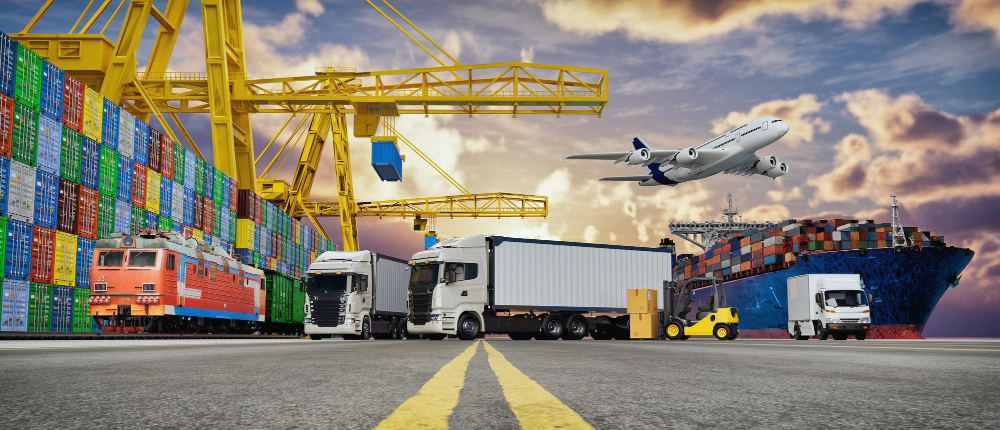
Freight coordination is more than just moving goods from one place to another—it is about ensuring that every shipment is handled with clarity, speed, and accountability. In today’s logistics environment, delays, miscommunication, and lack of visibility can quickly disrupt operations. A structured freight coordination approach ensures that shipments move efficiently, with clear expectations and consistent execution across every stage of the process.
Why Freight Coordination Matters
Logistics operations depend on timing, accuracy, and communication. Whether moving goods across cities or states, every shipment involves multiple touchpoints—shippers, carriers, dispatch teams, and receivers. Without proper coordination, small issues can escalate into costly delays.
Effective freight coordination ensures that load details are clear, communication is consistent, and every party involved understands their role. This reduces confusion, improves turnaround times, and creates a smoother experience for both shippers and carriers.
What Freight Coordination Involves
Freight coordination focuses on aligning all moving parts of a shipment. This includes confirming load requirements, matching the right carrier, managing dispatch communication, and tracking progress throughout the journey.
Clear load details are essential. When specifications such as pickup times, delivery windows, equipment type, and documentation requirements are well defined, execution becomes faster and more reliable.
It also involves maintaining strong communication throughout the shipment lifecycle. Regular updates, check calls, and proactive issue handling ensure that shipments stay on track even when conditions change.
Built for Shippers and Carriers
A well-structured freight coordination system supports both sides of the logistics process. For shippers, it provides visibility, reliability, and confidence that shipments will be handled correctly. For carriers, it offers consistent load opportunities, clear instructions, and a process that respects their time and operations.
This balance is essential for building long-term partnerships and maintaining efficiency across the supply chain.
Core Services
Freight coordination typically covers a range of transport solutions depending on shipment needs. Dry van and reefer services support standard and temperature-sensitive freight. Flatbed and power-only options provide flexibility for specialized loads. Expedited and time-critical shipments ensure urgent deliveries are handled with priority, while intermodal coordination offers cost-effective solutions across multiple transport modes.
Each service is designed to match specific operational requirements, ensuring that freight moves efficiently regardless of complexity.
The Role of Documentation and Process
In logistics, documentation is as important as movement. Clear, accurate paperwork ensures compliance, reduces disputes, and keeps operations running smoothly. A documentation-driven approach ensures that every shipment is backed by proper records, from load confirmations to delivery receipts.
Structured processes also improve consistency. When workflows are defined and repeatable, teams can execute faster while maintaining high standards of accuracy and accountability.
Supporting Reliable Execution
Freight coordination does not stop once a shipment is dispatched. Ongoing support is critical to ensure successful delivery. This includes monitoring progress, handling exceptions, and maintaining communication with all parties involved.
When unexpected issues arise—such as delays, route changes, or operational challenges—a responsive coordination team ensures that solutions are implemented quickly, minimizing disruption.
Conclusion
Freight coordination is a critical function in modern logistics, ensuring that shipments move efficiently, reliably, and with full accountability. By focusing on clear communication, structured processes, and consistent execution, businesses can reduce risk, improve performance, and build stronger relationships across the supply chain.
In a fast-moving industry where timing and precision matter, effective freight coordination provides the foundation for dependable logistics operations.